
What Anxiety Medication Is Available in the UK? Types, Uses and What to Know
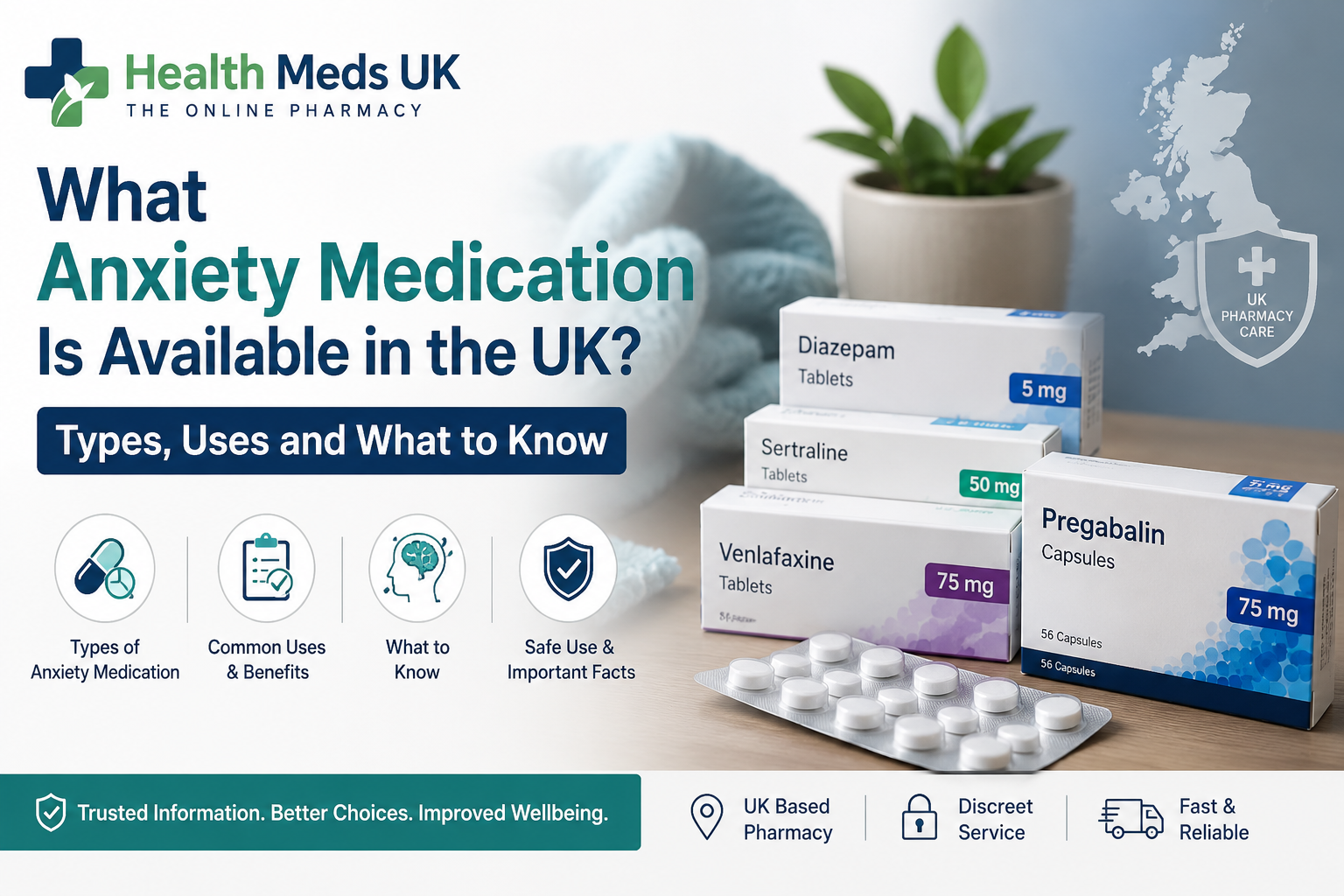
Stress is normal and anxiety is a part of it, but if it is overwhelming, excessive, or hard to manage, it can impact sleep, work, relationships and daily functioning. If you’re curious about the various anxiety medication UK options, it’s likely that you’ll gain a better understanding of the medicines used for anxiety management and how they may differ between individuals.
Anxiety treatment does not fit all people. Various modes of support, lifestyle changes and talking therapies can all contribute. Medications may also be recommended by the doctor. Understanding the way of using the medications as well as the dangers associated with their use will be helpful for you in communicating with your doctor.
What Types of Anxiety Medication Are Available?
There are several varieties of anxiety medication types used in the field of clinical practice. The choice will depend upon the nature of the anxiety, time period for which the symptoms occur and other aspects regarding health and medicines. Depending upon the patient, the medicines prescribed to treat anxiety may comprise of antidepressants, benzodiazepines and some other prescription medications.
The main groups include:
- Calming/Sedating benzodiazepines like diazepam, clonazepam and lorazepam
- Antidepressants (some of which are also used for treating anxiety disorders over an extended period of time).
- Other prescription medicines, as needed for the condition, symptoms and person.
Benzodiazepines may work rapidly to calm an individual, versus other treatments that may last longer. But there are some factors to consider, such as tolerance and dependence, which can occur with these medicines when used on a regular basis or for longer periods.
Treatment is not about simply picking a tablet that’s the strongest. Rather, the medicine and treatment strategy should be suitable for the condition and consider the health of the person, other medicines they may be taking and any potential risks.
Diazepam for Anxiety
Diazepam is a member of the benzodiazepines and works on the central nervous system. It is sedating and relaxing and known to help with several ailments such as some anxiety-related diseases.
There are different brands and products containing diazepam. For example, when it comes to Valium Diazepam 10mg and Diazepam Bensedin 10mg, the medicine is diazepam in both cases. Medicine may be sold under various brand names, so be sure to read about it.
Diazepam may make you feel sleepy, dizzy and less alert. These effects may make activities such as driving or operating machinery unsafe. Drowsiness can also be caused by other medications or liquids that cause drowsiness, such as alcohol.
Dependence is another important consideration. The body may get used to using diazepam, especially if it has been used for a longer time. Those using it must comply with their directions and review their continued treatment with their health care provider.
Clonazepam and Anxiety
Clonazepam is also a benzodiazepine, which also has an impact on the brain and nervous system. It is used to treat certain medical conditions and may be prescribed under certain circumstances in anxiety.
Clonacannadi 2 Clonazapam Tablets 2 mg is a medicine that contains clonazepam. Clonazepam is a different medicine from Diazepam, and should not be used interchangeably.
The side effects include drowsiness, dizziness, decreased concentration and difficulty with coordination. Over time, it may cause physical dependence. Users of clonazepam should adhere to the instructions that have been given carefully and consult their doctor before making any changes to their treatment.
Lorazepam and Its Uses
Lorazepam also belongs to the same class of medications as the others, the benzodiazepines, which have sedative and calming effects. It is used to treat certain medical conditions and can be included in treatment in some cases of anxiety.
One of the medicines containing lorazepam is Lorazepam Tablets 2 mg. Medicines are not suitable just because of the strength. Prescriber’s thinking around the need for treatment, other medications prescribed, and health factors.
Lorazepam may cause drowsiness and poor coordination, so you should know how it affects you before taking part in activities that need alertness and coordination, or driving.
What Are Anxiety Medicines Used For?
Anxiety can come in a variety of forms. The ongoing generalised worry, panic and anxiety symptoms due to another condition may need different treatment approaches.
A health care professional might consider several factors when thinking about medicines prescribed for anxiety:
- Symptoms: The way anxiety manifests and the level of impact on daily functioning.
- Duration: Temporal nature of symptoms (temporary or prolonged).
- Other health issues: Some health issues, including physical and mental health, can impact how treatment is delivered.
- Other medicines: There are other medicines that can interact with the treatment of anxiety.
- History of treatment: Medications or counseling that have been tried in the past may be relevant.
- Potential risks: Side effects, sedation, dependence and withdrawal should be taken into consideration.
Medication might just be a component of a larger treatment regimen. Discussing talking therapy and lifestyle changes (e.g., better sleep, less alcohol, better management of stress) may also be appropriate depending on the situation.
How Do You Know Which Anxiety Medication Is Suitable?
You can’t just take one medicine for anxiety that works for everyone. Treatment will be decided by symptoms, the condition being treated, medical history, other medicines used as well as individual circumstances and not just the strength of the medicine.
Medicines for longer term management may be viewed differently to benzodiazepines. The length of treatment and possible side effects may also help decide the selection.
Certain medications should be monitored due to potentially serious side effects and some medicines should be managed when discontinued. With medication that has a possibility for physical dependence, this is especially significant.
What Should You Know Before Starting Treatment?
Always inform your prescriber if you are taking any medications, dietary supplements or other substances before beginning an anxiety medication. Some non-prescription products and alcohol can interact with this medication and cause increased sedation or interact in other ways.
Knowing this is helpful:
- Explain why the medicine has been prescribed. Explain the purpose of the medicine.
- The method and timing of administration. The way and time it is to be given.
- The duration of treatment that is anticipated.
- What are the side effects that need medical attention
- If the medicine can affect driving or concentration. If the medicine could affect driving or concentration.
- What to do if a dose is missed
- How to eventually discontinue treatment
Never try to build up the dose if you feel anxious on a specific day, as this will cause the anxiety to feel worse. If symptoms aren’t getting better, or side effects are becoming a problem, talk to your prescriber before you change your treatment.
What Are the Side Effects of Anxiety Medication?
Different medicines have different anxiety medication side effects.
Sedative medications may leave you drowsy, dizzy, less able to concentrate and slower to react. Other effects may occur in some people depending on the individual medicine that they are taking.
Repeated use of benzodiazepines can create physical dependence and they are a special concern. Unlike the common side effect, this is not a routine effect and is a reason that treatment might need to be supervised.
If you experience any adverse reaction to a medication that seems to be severe, unexpected or otherwise of concern to you, seek medical consultation immediately following the reaction to the medication.
How Long Does Anxiety Medication Take to Work?
It will depend upon the medicine as well as the reason why it is prescribed for you. Some medications that work sedatively may take a few days for the full effect, while medications that are intended for longer term use (e.g. for anxiety) may take more time.
The duration of the expected timeframe may also differ among people. Never double a dose if the desired effect does not occur in a timely manner. In case you have any problems with your treatment regime, consult your prescriber.
FAQs
The treatment will depend on your symptoms, diagnosis, medical background, concomitant therapy and other aspects of your personal case which could be evaluated by your doctor or qualified prescriber in your case.
A number of different categories of prescription medications are involved in treatment, for example benzodiazepines (diazepam, clonazepam, lorazepam), and other medications for the treatment of anxiety disorders over a longer period of time.
Treatment decisions may be affected by the type and severity of anxiety, how long it has been going on, other health problems, medicines in use, previous treatment and possible side effects.
Understand how to take the medication, how long to use it, and what potential adverse effects or interactions you should be aware of. Tell your prescriber about all the medicines you use.
Certain medicines may take effect quickly, and others may take longer to be of maximum benefit. The duration treatment will take depends on the treatment and the condition being treated.
Depending on the medicine, it may have some of the following effects: Some sedative anxiety medications cause drowsiness, dizziness, diminished mental alertness and slower reflexes.
Some medications, particularly those belonging to the class of benzodiazepines, could result in over time. This would result in dependence and withdrawal symptoms if medication consumption stops.
The period that a medication is taken should not necessarily be the same for all medications. The period that a medication is taken depends on the medication itself, the disease to be treated, and the reaction of the patient to the medication.
Abrupt discontinuation of some medications can lead to withdrawal effects. If you have been using a medication on a regular basis, it is advisable that you consult with the doctor before you stop it.
If anxiety is a constant, hard to manage or is interfering with sleep, work, relationships or daily living, talk to a doctor. Medical advice is also crucial in case treatment generates uncomfortable side effects, or it does not seem to help.
Making Sense of Anxiety Treatment Options
No two anxiety tablets UK patients can be switched without a problem. Diazepam, clonazepam, and lorazepam are all members of the same large class of medicines but they are different medicines that have different characteristics, uses, and precautions.
Knowing the treatment options will make it easier for you to talk with a health care provider. Wherever a course of medication is being considered, an individual assessment is important as the benefits, side effects, interactions and longer term considerations should be considered.