
Clonazepam: A Medicine to Treat Seizures and Panic Disorder?
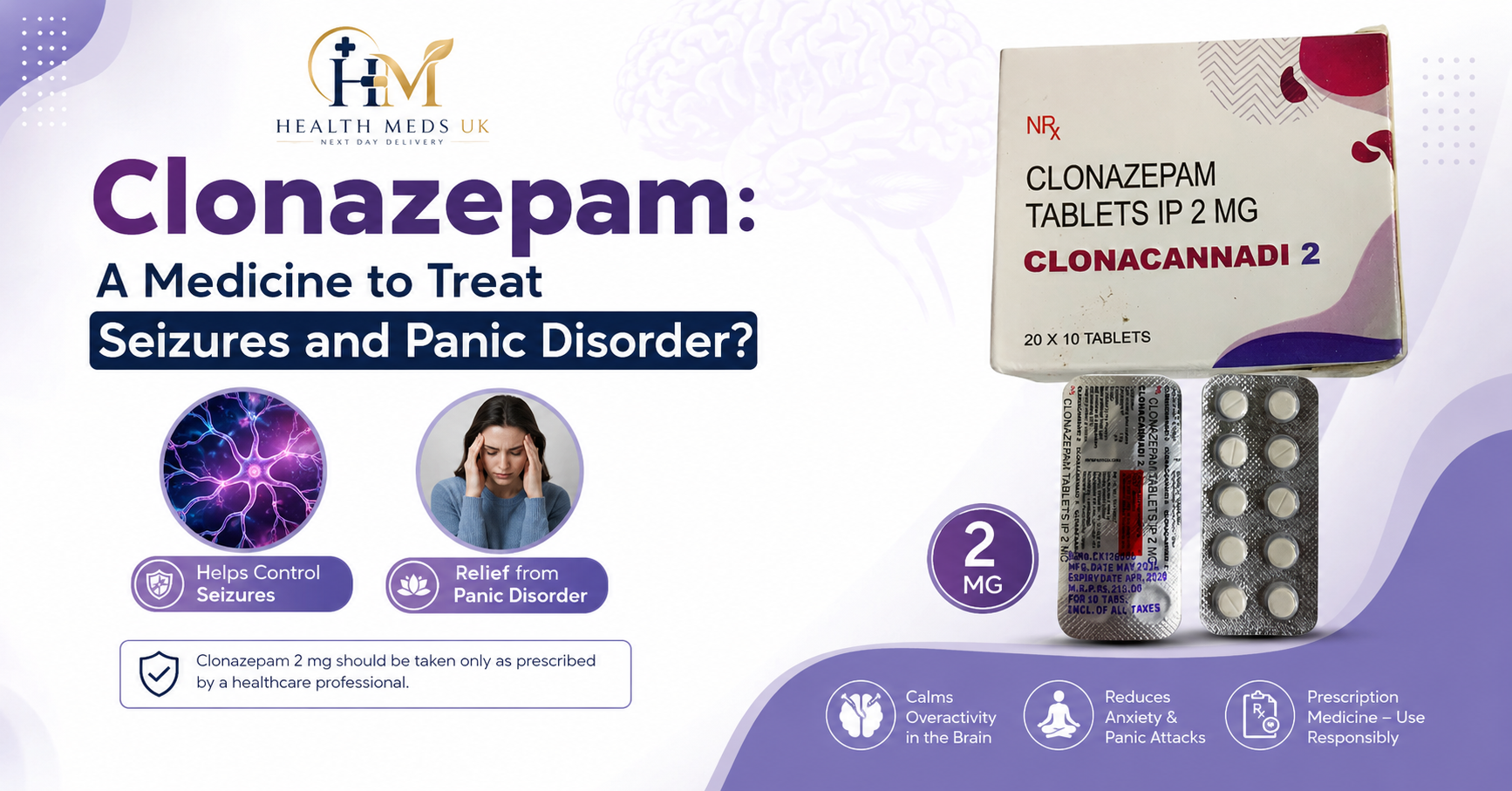
Clonazepam is a medication from the class of benzodiazepines. It is prescribed to treat certain seizures and panic disorder. There are different strengths of clonazepam tablets, for instance, 2 mg tablets. The correct dose depends on the disease and individual response to the medication.
When conducting research on clonazepam medication for anxiety, you should know that it is a prescribed medication which might possess side effects such as drowsiness or addiction/withdrawal effects.
What Is Clonazepam Used For?
Clonazepam is prescribed in certain cases of epilepsy. Clonazepam reduces brain nerve activity which leads to reduction of abnormal electrical activity in case of seizure.
Another acknowledged application is for panic disorder. Those suffering from panic disorder can suffer from episodes of sudden, overwhelming anxiety and feelings of breathlessness, trembling and sweating, and a rapid heart rate. Clonazepam has calming effects which may help alleviate these symptoms in suitable patients.
Treatment with clonazepam for anxiety will vary depending upon an individual’s symptoms, medical history, and response to treatment. Does not work for all anxiety types.
How Does Clonazepam Work in the Brain?
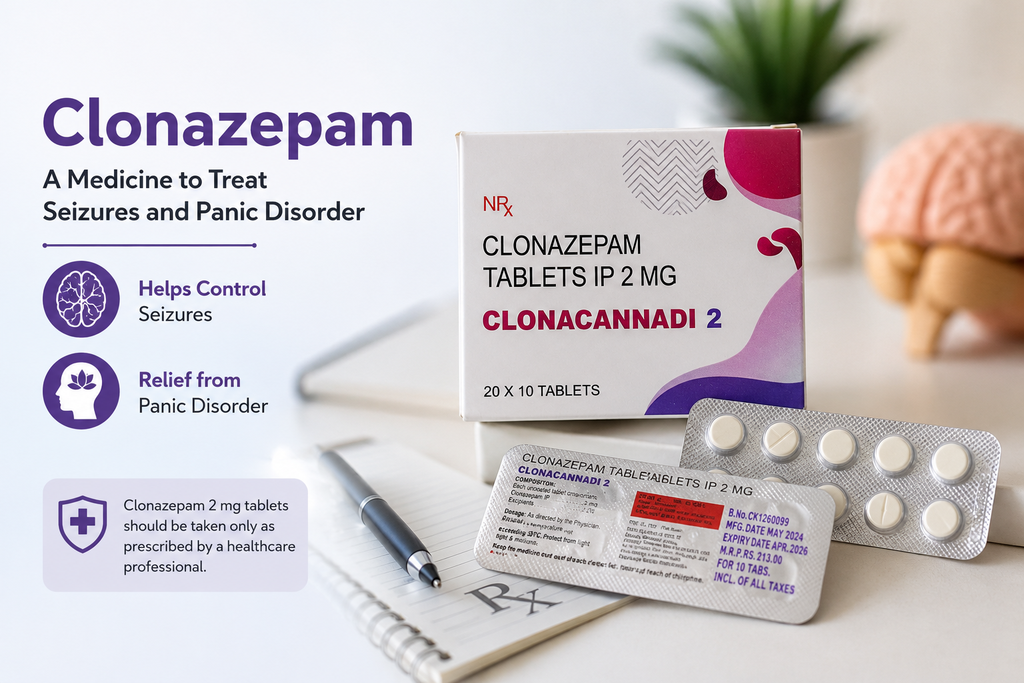
Clonazepam action is connected with activation of gamma-aminobutyric acid (GABA) activity. GABA is a brain chemical that inhibits the excessive activity of the central nervous system.
It is this mechanism that accounts for the therapeutic effects and some of the side effects of these medications. Somebody taking a 2 mg tablet of clonazepam might find they are sleepy, dizzy or less alert because of the way the medicine depresses activity in the nervous system.
What Does the 2mg Strength Mean?
The strength of the medication can be determined by the amount of active ingredient in each tablet. So for example if a tablet contains 2mg of it then this is what its strength would be. 2mg Clonazepam.
A clonazepam 2mg tab is never the wrong dose. The doctors take into account the general condition, age, other medicines, response and the overall health of the patients.
This is how it works, and also how it produces some of its side-effects. Clonazepam tablets 2 mg can make a person feel sleepy, dizziness or slower to react, as the medication may slow down the activity of the nervous system.
How Should Clonazepam Be Taken Safely?
Clonazepam is to be taken as directed. The dose and length of treatment is based on the reason the medicine has been prescribed.
Can become physically addictive with regular use. A person taking clonazepam for a long time should NOT suddenly stop taking it without advice from a health care provider. Anxiety and trouble sleeping, agitation, and sometimes, for patients using it to treat seizures, serious side effects related to seizures during withdrawal, can occur.
What Side Effects Can Occur?
Some side effects of clonazepam are:
- Drowsiness or tiredness
- Dizziness
- Reduced coordination
- Muscle weakness
- Difficulty concentrating
- Slower reactions
These effects can be more pronounced the first time treatment is started or if the dosage of the treatment is adjusted. 2mg of clonazepam makes some people extremely sedated and drowsy (this dose must not be used in combination with other potentially sedating substances!).
Clonazepam may impair your ability to operate a vehicle or machinery.
Which Medicines Should Not Be Combined With Clonazepam?
Certain medicines and substances may make clonazepam sedative. Be aware of the risk of extreme sedation and breathing problems when opioid pain relievers are used with benzodiazepines, especially.
Alcohol will also worsen drowsiness and coordination problems. Other sedatives, sleeping medicines and some medicines for the nervous system might need further medical evaluation.
Clonazepam medicine can interact with other medicines, substances and even some diseases. Inform your doctor or pharmacist about all of the following
Who May Need Extra Caution?
Clonazepam may not be suitable for people with some serious breathing problems, snoring and sleep apnoea, severe liver disease or an allergy to other benzodiazepines.
Use with caution in elderly and individuals who are dependent or have a history of dependence. Pregnancy and breast feeding should be highlighted with your doctor before you take/are taking clonazepam.
When Should You Get Medical Help?
Emergency medical attention is needed if a person taking clonazepam: suffers from difficulty breathing; extreme sedation; becomes difficult to rouse or loses consciousness; or; shows a life-threatening or serious allergic reaction.
If not lasting or if troublesome, contact a doctor or pharmacist. If symptoms not controlled well enough or withdrawal or dependence is a concern.
Frequently Asked Questions
In certain situations, they are prescribed for a person suffering from panic disorder. In case of 2 mg tablets, they belong to strong ones and should be taken in the way prescribed in a particular situation.
Dosage may differ among people. In some treatment plans, 2mg of clonazepam may be prescribed, but this depends on the condition and their response to the treatment
Yes. The medication can cause drowsiness as its side-effect, which can be intensified by drinking alcohol or taking other medications causing sedation.
Conclusion
This sedative action of clonazepam is used to treat some seizure disorders and panic disorder.Clonazepam tablets 2mg are the only strength available, but the dose should be decided based on the individual circumstances. It is important to know the uses, side effects, interactions and dependence issues before treatment.
To learn more about clonazepam medicine for anxiety, clonazepam 2mg tab and other related medicines, you can visit Health Meds UK. Any decisions about personal treatment should always be made in consultation with a health care professional.